Trump takes a page from Iran’s playbook on the Strait of Hormuz, leveraging U.S. influence over the contested chokepoint to generate revenue
Trump announced the U.S. will reimpose a naval blockade on Iran and will demand reimbursement on all other cargo shipped through the waterway.
Overview
The U.S.-Israel war on Iran transformed the Strait of Hormuz from a waterway where global shipping enjoyed free navigation to a virtual combat zone where safe passage depends on military might.
Iran used missiles and drones to close off the strait at the start of the war, while demanding that anyone seeking to cross must obtain permission and pay a toll to transit along an approved corridor near the Iranian coastline.
Since the ceasefire, the regime has used its weapons and the threat of continued salvos to enforce its claim over the strait and prevent ships from trying to use an alternate route that hugs the Omani coast.
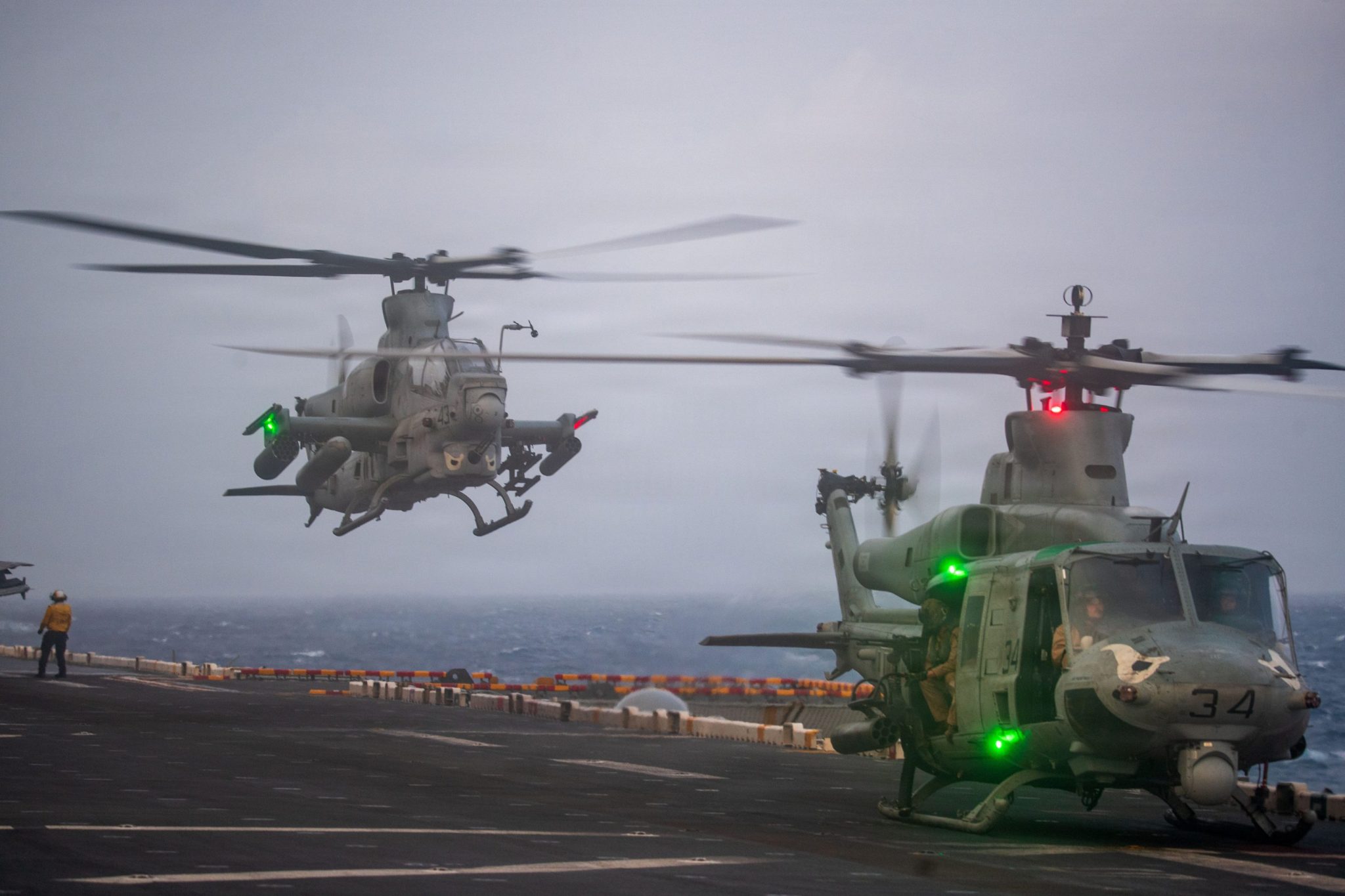
The U.S. had previously demanded that Iran fully restore free navigation without tolls and defended the Omani corridor from Iranian attacks, with the Navy also guiding commercial ships along the way. Then, the U.S. didn’t charge anything for its services.
But President Donald Trump wants to change that, announcing on Monday that the U.S. will reimpose a naval blockade on Iran and demand reimbursement on all other cargo shipped through the waterway.
Just as Iran is uniquely positioned to close the strait, only the U.S. military has the ability to carve out a lane that bypasses the Islamic republic’s. In fact, U.S. forces have helped more than 800 commercial vessels and 400 million barrels of crude oil transit the strait since early May, according to Central Command.
Now Trump is leveraging this influence over a slice of Hormuz.
“The U.S.A. will be, from this point forward, known as ‘THE GUARDIAN OF THE HORMUZ STRAIT,’ but as such, and as a matter of FAIRNESS, will be reimbursed, at the rate of 20% on all cargo shipped, for any and all costs necessary to do the job of providing safety and security to this very volatile section of the World,” Trump said on social media, adding that “the process and formation” of his plan will begin immediately.
Oil prices jumped 6% on the news, following a violent weekend of skirmishes in the Persian Gulf as both sides attempted to assert control over the strait.
Details
With neither the U.S. nor Iran willing to back off, hopes for fully restoring free navigation have dimmed, and mediators are now looking to simply split the difference.
Oman reportedly drafted a proposal to manage traffic in the strait through two separately controlled routes: the southern corridor through Omani territorial waters and the northern corridor through Iranian waters.
Still, the U.S. has not stopped every Iranian projectile aimed at commercial ships sailing through the route it is defending—and has failed to deter Iran from launching more.
As a result, traffic through the Omani channel has almost disappeared, while the use of Iran’s corridor as well as “dark” routes has increased.
That means some ships may still be using the Omani route, but must do so with their transponders turned off and typically under cover of night to avoid Iranian detection.
Add to that Trump’s plan for a 20% levy on cargo. The threat of Iranian attacks already made crossing the strait a dicey proposition, even with U.S. protection and guidance. Now with the added burden of Trump’s toll, ships must perform a new cost-benefit analysis.
While the U.S. insists that strait is open and Iran insists it’s closed, commercial fleets and insurance companies will ultimately determine the reality.
This story was originally featured on Fortune.com
Source
Originally published at fortune.com.