Robert Kiyosaki sends blunt stock market warning
Robert Kiyosaki has been sounding the same alarm for years. He thinks markets are sitting on borrowed time, that debt has hollowed out the financial system, and that ordinary investors are heading for a reckoning they had fair warning about. Plenty of people have tuned it out. His latest two words ...

Overview
Robert Kiyosaki has been sounding the same alarm for years. He thinks markets are sitting on borrowed time, that debt has hollowed out the financial system, and that ordinary investors are heading for a reckoning they had fair warning about.
Plenty of people have tuned it out.
His latest two words are getting attention again. This time he is pointing to something bigger than a stock market correction.
The "Rich Dad Poor Dad" author says an "Everything Bubble" is about to pop, and he is calling the outcome the worst crash in history.
What Kiyosaki means by the Everything Bubble
The phrase "Everything Bubble" describes what happens when cheap credit pushes nearly every major asset higher at the same time: stocks, housing, bonds, and alternative investments all inflating together.
The problem with a synchronized rise is what it means when it stops. One sector crashing is survivable. All of them crashing together is a different situation entirely.
He has been building this case for months. In December, Kiyosaki wrote on X that the worst crash in history may already be underway. Crashes like this, he noted, take decades to build before they finally break. He then circled back to his own published record.
Related: Robert Kiyosaki flips his gold stance after weeks of waiting
"I WARNED EVERYONE. In 2002 I released Rich Dad's Prophecy. In 2026 the predictions in Prophecy are coming true," he wrote in the same post.
Kiyosaki's framing goes beyond a normal economic downturn. He sees the whole financial system as structurally broken, kept afloat by debt and currency that keeps losing real value. If confidence cracks, he says, there is nowhere to go in the short term. Everything went up together, so it fell together.
Why Kiyosaki keeps pointing to national debt and household debt
The data Kiyosaki cites is real. His conclusions about what it all adds up to are further than most economists would go. The U.S. national debt sits at close to $39.5 trillion, according to the Treasury Department.
"The bigger problem is the national debt of the USA," Kiyosaki posted on X in February.
Household debt has also hit a record. Total U.S. consumer debt reached $18.8 trillion in the first quarter of 2026, according to the Federal Reserve. The Iran war added considerably to the national picture: one federal budget expert told Fortune the upfront cost runs to $200 billion, with total costs projected to exceed $1 trillion.
Details
At the household level, Bankrate found that 61% of Americans with credit card debt have been carrying it for at least a year, with average rates at 23.79%, according to LendingTree.
A Century Foundation survey found nearly two in three Americans switched to cheaper groceries or bought less food to save money, and more than one in three skipped a meal in the past year. Those numbers show up in real behavior.
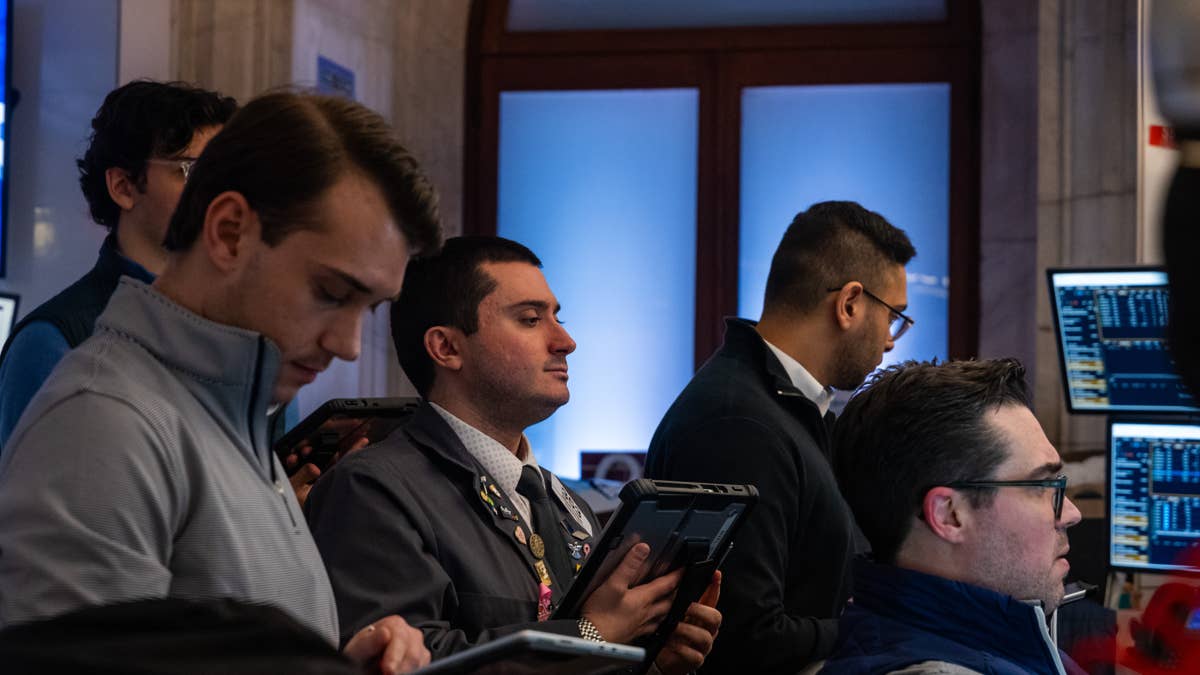
Platt/Getty Images
What Kiyosaki says to buy before the stock market crash
Kiyosaki's answer to the Everything Bubble has been consistent: gold, silver, and bitcoin. Tangible or scarce assets, he says, hold their value when paper money does not.
Gold peaked at $5,602 an ounce in January 2026 and has since pulled back, but it is still up roughly 120% over the past five years.
On June 29, Kiyosaki posted on X that he expects gold to reach $35,000 an ounce within five years, a gain that would require the metal to increase roughly sixfold from January's peak.
More Wall Street:
- Wall Street has a new problem, and it’s not the technology
- Wall Street’s biggest banks just landed the AI IPO of the year
- Wall Street’s top analysts just doubled down on 3 stocks
Bitcoin tells a different story on the price chart. The cryptocurrency has fallen nearly 45% over the past year. Kiyosaki's scarcity argument stays the same regardless.
"There will be only 21 million Bitcoins. Fake Government money is unlimited. That means Bitcoin increases in value as the US dollar goes down in purchasing power," he posted on X.
Goldman Sachs CEO David Solomon said at the Global Financial Leaders' Investment Summit in November that he expects a 10% to 20% drawdown in equity markets at some point over the next 12 to 24 months, as TheStreet reported.
The Shiller P/E ratio has climbed past 40 times earnings, a level last seen in 1999. Kiyosaki is the loudest on this, but he is not the only one saying something is stretched.
What investors should know about Kiyosaki's crash warning
Kiyosaki has been predicting crashes for most of his public career. Plenty of those calls came and went without the collapse he described. The timing has been wrong more often than it has been right. Anyone calibrating how much weight to give the latest warning should keep that in mind.
Separating the data from the conclusion is where investors can actually find something useful. Debt is high. Valuations are stretched. Consumers are cutting back on food. None of those facts require the worst crash in history to be worth paying attention to.
Ask yourself how exposed you are if markets stop rewarding the same assets they have for a decade. The question stands on its own. It did before Kiyosaki asked it, and it will after the next round of headlines passes.
Related: Wells Fargo doubles down on stock market and AI
Source
Originally published at www.thestreet.com.
