Popular snack brand closes plant, cuts 345 jobs
Food manufacturing companies continue to grow even as the jobs behind familiar grocery products shift. For shoppers, the change may not be immediately obvious, as snack bars, candy, crackers, and pet-food brands can still be on shelves at Walmart, Target, Costco, and other grocery chains. But ...
Overview
Food manufacturing companies continue to grow even as the jobs behind familiar grocery products shift.
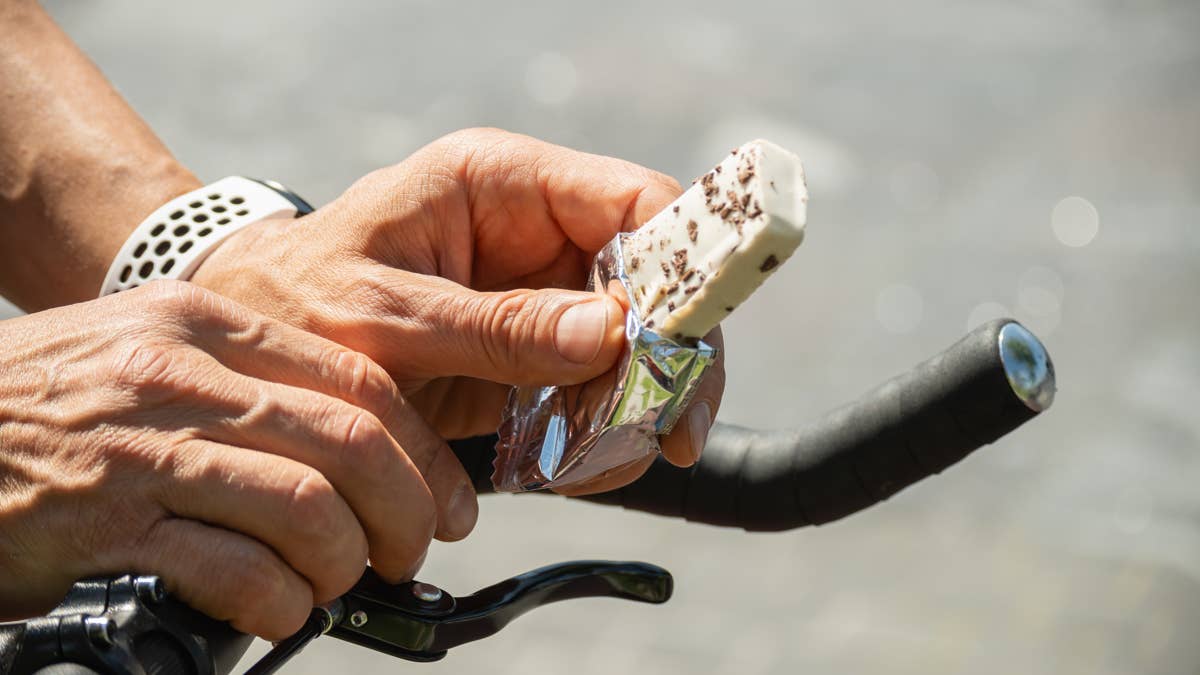
For shoppers, the change may not be immediately obvious, as snack bars, candy, crackers, and pet-food brands can still be on shelves at Walmart, Target, Costco, and other grocery chains.
But behind the scenes, companies are consolidating plants, moving production to other facilities.
TheStreet has reported this pressure across several industries, from food manufacturers and meat processors to distributors and logistics companies, as facilities have closed, production has shifted, or work has been moved elsewhere.
As a company builds newer manufacturing sites meant to produce more with better automation and lower distribution costs, it often ends up closing or integrating less useful sites.
A similar shift is now hitting workers at Nature’s Bakery, the Mars-owned snack brand known for soft-baked bars.
Nature’s Bakery closes Missouri plant, cuts jobs
Nature’s Bakery is part of Mars, Inc., which is best known to many shoppers for M&M’s, Twix, Skittles, and Snickers, among others.
In a recent Worker Adjustment and Retraining Notification (WARN) reviewed by TheStreet, the company said that it is permanently closing its manufacturing plant in Hazelwood, Missouri.
As a result, 345 employees are expected to lose their jobs in the first two waves of separations, according to a WARN filing.
More Layoffs:
- JPMorgan Chase pushes fraud division layoffs, despite rising revenues
- Another major fintech firm cutting 10% of its workforce
- Real estate tech firm exits key hub, cuts 100s of jobs
In the WARN filing, Nature’s Bakery said that it will permanently close its plant at 8860 Pershall Road in Hazelwood.
The WARN notice was dated July 7, 2026, and the company said affected associates were first notified of the closing that same day.
The layoffs will occur in two phases, and the facility will continue to operate through 2026 before permanently closing in September 2027, according to the notice.
At that point, all remaining employees will be affected.
Nature’s Bakery said manufacturing at the Hazelwood plant is being transferred to other Nature’s Bakery facilities.
The notice does not say which facilities will receive the work or why the Missouri plant was selected for closure.
The company expects 130 associates to separate from employment on Sept. 11, 2026.
Another 215 associates are expected to separate on Feb. 26, 2027.
That brings the currently disclosed job impact to 345 workers.
Employees can seek alternate employment within Nature’s Bakery and the broader Mars family of companies.
Workers who do not secure another role within Nature’s Bakery or Mars will be separated because of the plant closing.
What does Nature’s Bakery make?
The closure extends beyond one plant, as Nature’s Bakery is part of Mars, one of the world’s largest privately held food companies.
While many associate Mars only with M&M’s, Twix, or Skittles, its portfolio is much broader and includes Kind, Nature’s Bakery, Ben’s Original, Pedigree, Royal Canin, Whiskas, and Cesar.
Mars has also been expanding deeper into snacks.
After its Kellanova deal, Mars added brands such as Pringles, Cheez-It, Pop-Tarts, and Rice Krispies Treats, giving the company a much larger presence across the snack aisle.
And Nature’s Bakery is not a storefront or small bakery chain, as one might understand from the name.
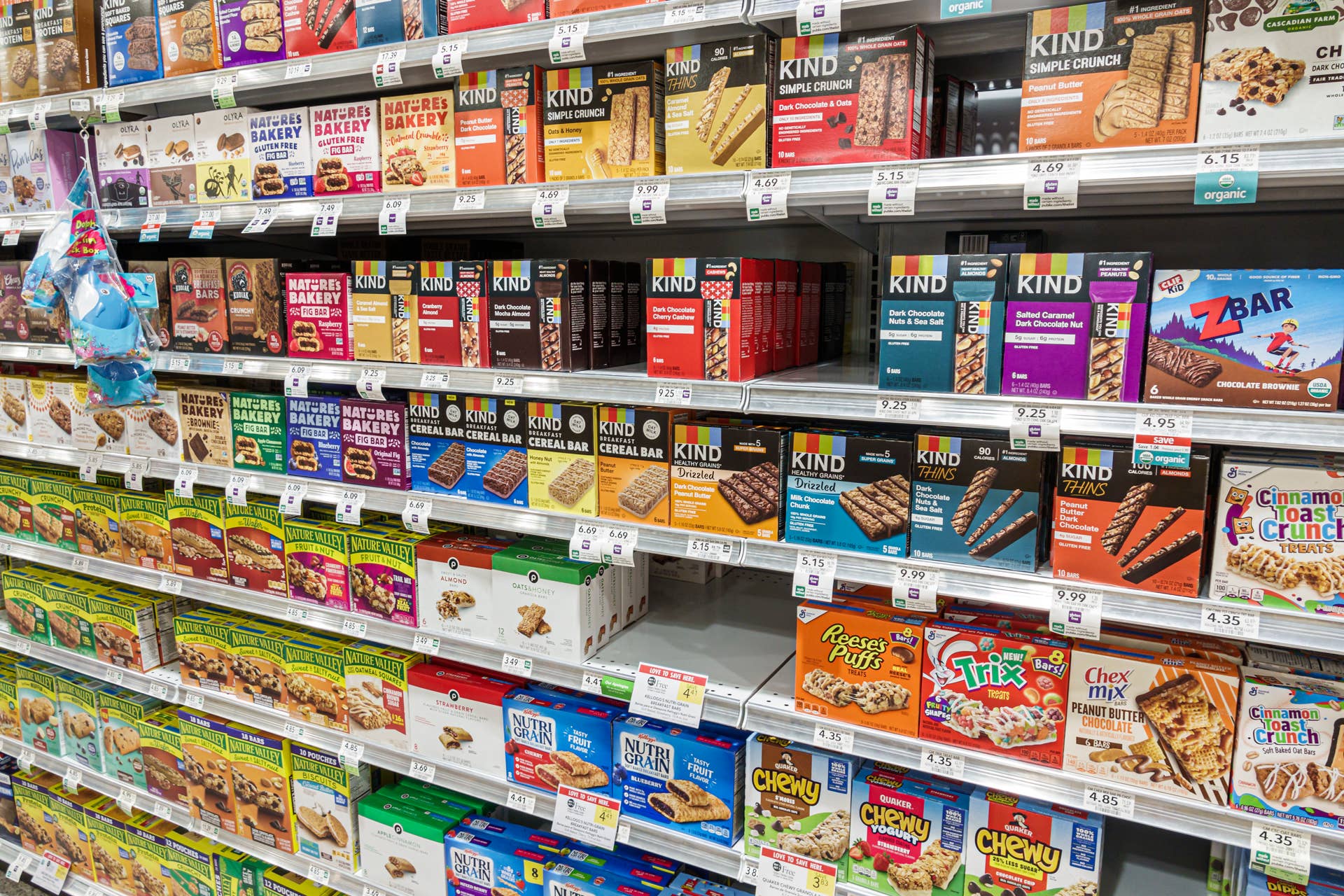
It is a packaged snack brand built around soft-baked bars, sold nationally.
Mars describes Nature’s Bakery as a brand that uses ingredients such as sun-ripened fruit and whole grains and makes snacks that are plant-based, nut-free, dairy-free, and Non-GMO Project Verified.
The product lineup includes Whole Wheat Fig Bars, Gluten Free Fig Bars, Fig Bar Minis, Oatmeal Crumble Bars, Brownie Bars, and Hearty Bars.
This product list explains how Nature’s Bakery fits Mars’ strategy. The brand gives Mars exposure to better-for-you, lunchbox-friendly, and on-the-go snack occasions beyond traditional candy.
Mars says Nature’s Bakery products are sold nationally at 100,000 stores, including Target, Walmart, and Costco. The products are also sold through Nature’s Bakery’s website and Amazon.
Mars expands Nature’s Bakery elsewhere
The Hazelwood closure comes after Mars made a major investment in a newer Nature’s Bakery facility.
In July 2025, Mars opened a $240 million Nature’s Bakery manufacturing facility in Salt Lake City.
Details
The company said the 339,000-plus-square-foot site would create more than 230 jobs and give Nature’s Bakery the ability to produce more than 1 billion bars a year.
Mars said the Salt Lake City facility was designed to improve national distribution and reduce delivery distances to retailers.
Related: Iconic denim brand closes facility, cuts 303 jobs
The site also includes smart automation for ingredient delivery, mixing, and cooling.
The company said those systems were meant to improve food safety and consistency while turning some manual roles into higher-skilled positions.
The Salt Lake City investment and Hazelwood closure are not linked, and the WARN notice does not say whether the Missouri plant’s production will move to Utah or to other sites.
But together, these moves show how large food companies are investing in one manufacturing market while cutting jobs in another.
Since Mars acquired Nature’s Bakery in March 2021, the brand has been on pace to more than double in size from 2020 to 2025.
Nature’s Bakery faces repeat legal scrutiny over fig bars
The closure also comes as Nature’s Bakery’s better-for-you image faces repeat legal scrutiny.
Top Class Actions reported in March, 2026 that a plaintiff, Lawrence Himmel, filed a class-action lawsuit against Nature’s Bakery in the New York federal court.
The lawsuit alleges the company falsely advertised its fig bars as “wholesome” and “natural,” even though the products allegedly contain synthetic citric acid and excessive sugar.
The complaint seeks to represent a nationwide class and a New York subclass of consumers who purchased Nature’s Bakery fig bars, and alleges violations of New York General Business Law and breach of express warranty.
The case follows a similar lawsuit filed last year in California federal court by plaintiffs William Martin and Alejandra Gamboa.
Top Class Actions reported that the earlier complaint alleged Nature’s Bakery misled consumers into believing its fig bars were healthy despite allegedly containing 11 to 16 grams of added sugar per serving.
The California complaint also cited packaging claims including “Real Fruit & Whole Grains” and “No High Fructose Corn Syrup,” which the plaintiffs argued contributed to a healthier image for the products.
Related: 86-year-old nationwide ice cream chain closes 46 locations
Snack companies face tougher shopper
The move also comes at a complicated moment for packaged snacks.
Statista’s snack-foods overview says the U.S. had the world’s largest snack-food market by revenue in 2025, generating $53.33 billion in sales.
The data also shows why Mars wants a bigger position across the aisle: cookies and crackers were the highest-revenue snack-food segment, while Frito-Lay was the leading U.S. potato-chip vendor.
The category is large, but it is also getting more competitive.
Statista said a 2025 survey found that most U.S. consumers snack at least once a day, and that cookies were the most popular snack among Americans in 2024.
Chips and ice cream ranked second and third, with each consumed regularly by more than half of Americans.
That creates a clear opening for companies like Mars, which now sells across candy, snack bars, crackers, salty snacks, and toaster pastries.
But the same data also shows why price and brand trust matter.
Statista said mass and club stores had the highest share of U.S. snack-food sales in 2024, and brand trust was the top factor influencing snack purchases, cited by 70% of consumers in 2025.
PepsiCo’s latest results prove this point through how big snack companies are responding.
In April, PepsiCo said its first-quarter net revenue rose 8.5% to $19.44 billion, while organic revenue increased 2.6%.
CEO Ramon Laguarta said the quarter included a “notable improvement” in convenience-foods organic volume and cited affordability initiatives as part of the company’s commercial agenda.
PepsiCo Foods North America, which includes snack brands such as Lay’s, Doritos, Cheetos, and Tostitos, reported 2% convenient-foods volume growth in the quarter.
For Mars, that backdrop makes the Hazelwood closure part of a larger manufacturing story.
Snack companies want growth, but they are also trying to make products closer to demand, manage prices more carefully, and build more efficient plants as shoppers become more selective.
For Hazelwood workers, that strategy has a much more immediate consequence with the Missouri plant, which is now on a long shutdown timeline that will stretch into 2027, affecting hundreds of employees.
Related: Popular soda giant closes plant, cuts 175 jobs
Source
Originally published at www.thestreet.com.