How foodservice giant Sodexo is embracing AI and robotics to reshape the kitchen
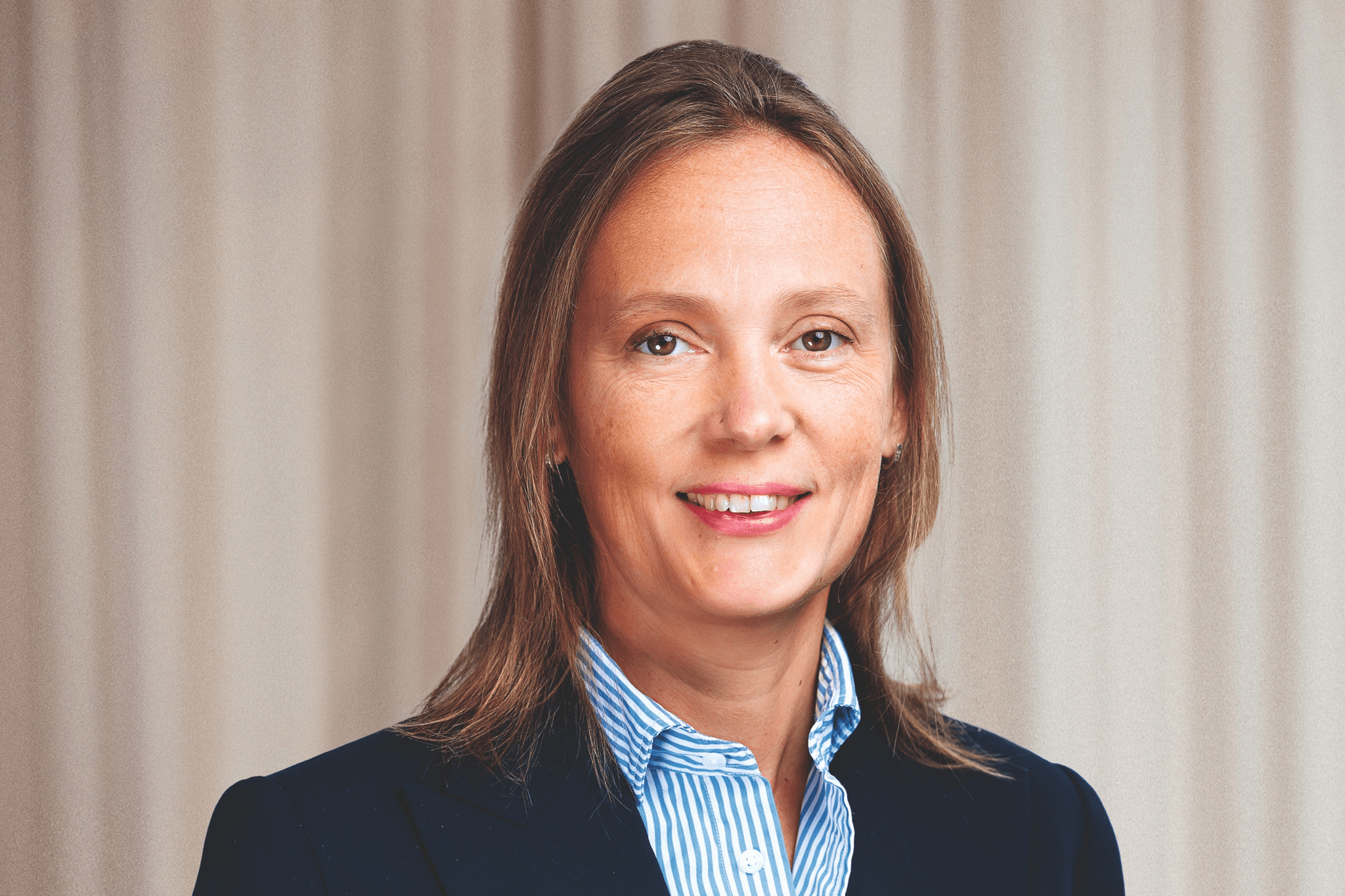
Alice Guéhennec oversees an annual investment budget of around 500 million euros to support AI, robotics, and other technology initiatives.
Overview
Alice Guéhennec’s technology career got off to an early start. As a child raised in France, she was just six when she received her first Commodore desktop computer.
But it wasn’t until Guéhennec studied IT and computer science at a research university in northern France that her interest in technology kicked into high gear.
After more than a decade in consulting, Guéhennec’s career quickly accelerated and she has held C-suite technology titles four times during her career, including as deputy chief information officer at the government agency Préfecture de Police in Paris, CIO in France at foodservice giant Sodexo, and then group chief digital and information officer at water management services company Saur, before returning to Sodexo in September 2023 to serve as chief tech, data, and digital officer.
It is in this role that Guéhennec oversees an annual tech budget of around 500 million euros ($571 million USD) for the Fortune 500 Europe company, which ranked No. 156 on the latest list. Those technology investments include an artificial intelligence tool that’s intended to get chefs away from their laptops and allow them to spend more time in the kitchen conceptualizing new dishes. AI is also being used to manage staffing levels and automate purchasing and pricing decisions.
“It’s about increasing adoption and putting AI everywhere at scale,” says Guéhennec, of her focus since returning to Sodexo.
Sodexo, which generates around $28 billion in annual revenue, operates a vast business tht generates 60% of sales from food services provided to schools, corporate offices, stadiums, hospitals, and airport lounges. This part of the business is subject to choppy swings in demand, from when schools are in or out of session to when stadiums host a game, and even the uneven return-to-office policies that can make it difficult for Sodexo and the companies and government agencies it serves to plan for demand.
On top of that, Sodexo has to confront ingredient variabilities due to the seasonality of fresh produce and volatile food prices; the latter linked to external stressors such as the war in Iran and global tariffs.
Guéhennec developed an internal AI tool called “Menu AI,” which she says helps automate all the decisions chefs need to make to conceptualize a new menu item, while also taking into account raw material price fluctuations, seasonality, and on-site demand. Sodexo says this AI tool has been able to generate and manage menus from a pool of 400 seasonal recipes in a single day, rather than the two to four weeks of manual work that would have been necessary before AI.
“It’s deployed to thousands of sites,” says Guéhennec. “All these teams were losing time behind laptops, when their core business is to cook.”
Sodexo is also exploring the application of AI to help incorporate food trends that emerge on social media and other external channels, which could help speed up the creation of trendier menu creations. “We are working to have AI that builds new recipes based on the trends on the market,” adds Guéhennec. “But it’s still under construction.”
Details
The other 40% of Sodexo’s revenue comes from facilities management. It is there that Guéhennec has invested in AI tools that help on-site managers plan their staffing levels and track when a room has been used enough to require a cleaning, rather than just sprucing up every room on a regular basis even if it isn’t needed. AI is also being used to make data-driven recommendations, such as telling to tell one site it should restock coffee at 4 PM to meet demand, but that another location can skip afternoon refills.
Guéhennec says that every major AI use case is initially piloted at around five to ten sites in a couple of the 43 countries that Sodexo serves. She believes that on-the-ground, localized feedback at this stage “helps us to encourage and facilitate adoption.” Every employee is encouraged to request licenses for AI services like Microsoft Copilot or Google Gemini Enterprise if they think it can help make them more productive at work.
“You have to give people freedom with AI if you want them to adopt it,” says Guéhennec. “If it’s just a top-down approach, I think it doesn’t work.”
Sodexo is in the very early stages of experimenting with frictionless stores, which use AI and computer vision to eliminate a dedicated cashier station. The technology, which hasn’t had the smoothest rollout when big retailers like Amazon tried to create their own version of it, has been deployed at two different universities in St. Louis. At one school, Sodexo says the checkout-free retail experience has increased revenue by 56%. The other, unnamed university is seeing a 28% lift in sales and an 11% boost to the average check size.
The company has also deployed about 200 robots globally, including 100 floor-cleaning robots across all regions and 85 delivery robots, most of them in the U.S. What could be next: robots in the kitchen that can take on highly repetitive and, at times, potentially risky tasks.
“We are looking for some robots like this,” says Guéhennec. “To reduce the danger and level of accidents in our kitchens and to replace the less safe tasks with robots.”
John Kell
Send thoughts or suggestions to CIO Intelligence here.
This story was originally featured on Fortune.com
Source
Originally published at fortune.com.