Farm groups saved Bayer in court over RoundUp cancer claims. Five days later, Bayer called for tariffs on the ingredient farmers rely on
A tariff petition on Chinese glyphosate, a key RoundUp ingredient, has turned Bayer's biggest legal allies into its loudest critics
Overview
Bayer has picked a fight with some of its most important customers: U.S. farmers.
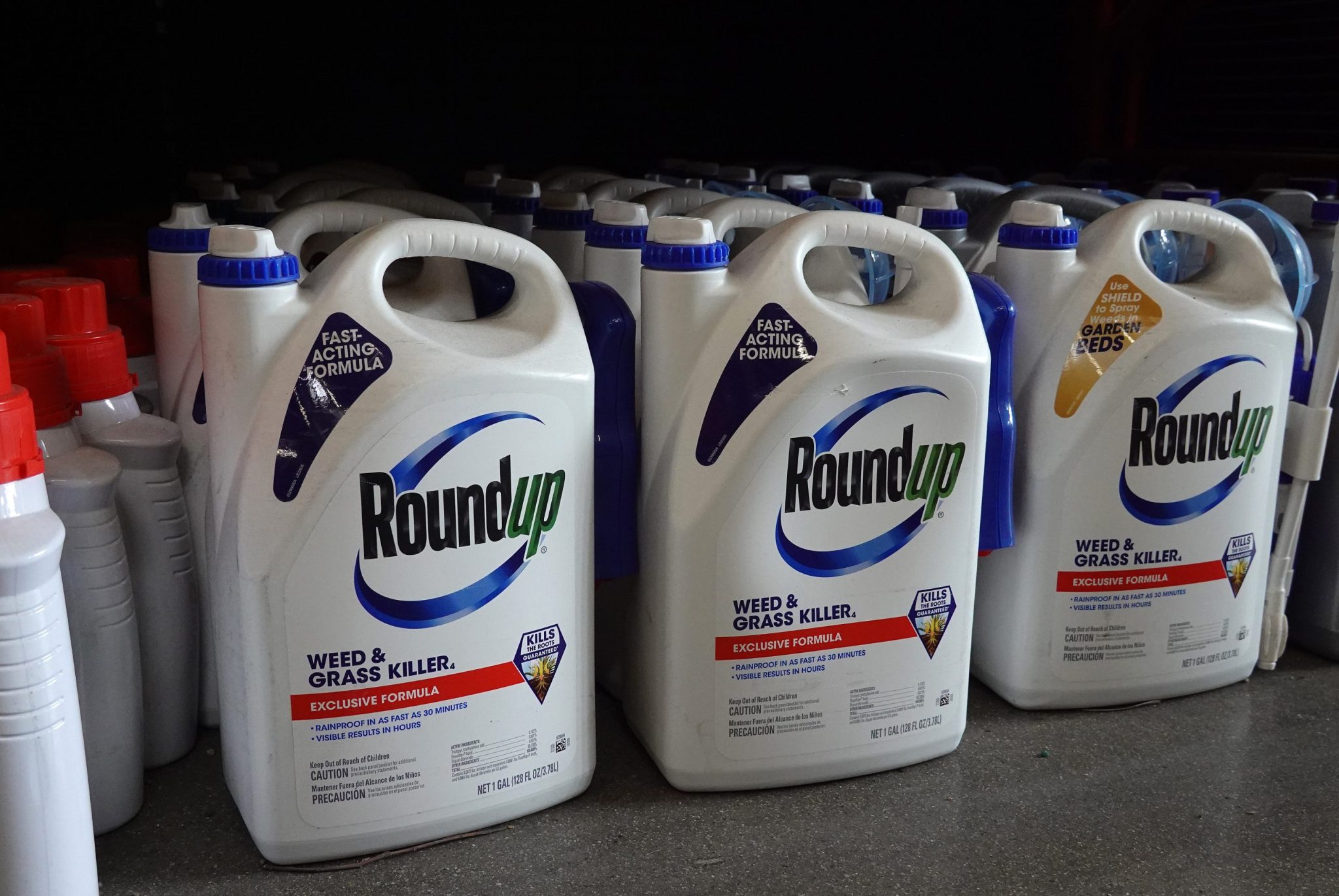
The German multinational pharmaceutical and biotechnology company isn’t supplying them aspirin—they’re a lead company that develops agricultural technology that farmers rely on. Now the company is at the receiving end of ire from farm groups after asking the federal government to slap import duties on Chinese-made glyphosate, a key ingredient in weedkiller Roundup, because it’s allegedly being dumped in the U.S. and sold below “fair value.”
Farm groups, some of which helped Bayer defend Roundup in front of the Supreme Court in late June, say the move throws already financially squeezed farmers under the bus. A recent Texas A&M study found that the types of duties Bayer is seeking already cost crop growers $6.9 billion from 2021 to 2025, though a Bayer spokesperson told Fortune that the move was intended to protect farmers.
“The domestic glyphosate business as it stands today is not sustainable,” the spokesperson told Fortune over email. “This action is needed to support long-term U.S. production for American farmers.”
Farmers helped Bayer with RoundUp, and then Bayer blew them off
Bayer secured a favorable Supreme Court ruling that let the company off the hook for a wave of state lawsuits claiming it failed to warn users the weedkiller could cause cancer. Bayer CEO Bill Anderson called it a win that “provides the regulatory clarity necessary for innovators like us to develop the agricultural tools that guarantee an affordable food supply.”
But getting there took help. Twelve agricultural organizations, led by the American Farm Bureau Federation and including the National Corn Growers Association, the American Soybean Association, and the National Association of Wheat Growers, filed a friend-of-the-court brief backing Bayer, warning that a loss could jeopardize farmers’ access to a product they described as central to modern weed control.
Now some of those same groups say Bayer repaid the favor by turning around and asking Washington to make that product more expensive.
Five days after the ruling, Monsanto—Bayer’s U.S. subsidiary—and an affiliate, Ruveon LLC, filed petitions with the Commerce Department and the U.S. International Trade Commission seeking antidumping and countervailing duties on glyphosate imported from China. The company is asking for duties as steep as 68.9% to 446.47%, arguing that Chinese producers are selling glyphosate in the U.S. “at less than fair value.” Bayer is the only company still manufacturing glyphosate in the U.S., though it supplies roughly 60% of what’s sold domestically, meaning a large share of the market, including Chinese supply, would be directly affected by new duties.
The Commerce Department did not respond to Fortune’s request for comment.
The reversal in tone from farm groups was immediate. National Corn Growers Association president Jed Bower called the Supreme Court ruling in favor of Bayer “great news for all farmers in the country” when it came down. But just five days after the court ruling in June the company called for tariffs, and Bower responded by saying Bayer’s move was “no act of partnership,” adding that this was “purely for the benefit of the company and its shareholders.”
Details
“We went to bat for them for so long in those court cases,” Bower told the trade outlet DTN. “And then they literally win the case and just completely blow us off in one of our worst crises.”
Sam Kieffer, CEO of the National Association of Wheat Growers, also initially called the RoundUp ruling “a win for farmers and the broader agricultural community.” But by June 30, he warned that “tariffs on imported glyphosate will be felt by American farmers,” pointing to wheat growers “already facing stubbornly high input costs, weak commodity prices and continued market uncertainty.”
The American Soybean Association also told Fortune that claiming duties on glyphosate would “limit market competition, threaten cost spikes, and ultimately hurt U.S. farmers” at a time when producers are already contending with “tight margins and significant economic uncertainty.”
The $6.9 billion figure farm groups keep citing stems from a separate, ongoing fight over similar duties on imported phosphate fertilizer, which a Texas A&M study estimated cost U.S. growers that much between 2021 and 2025. Farm groups argue glyphosate duties would follow the same script: costs imposed on importers that ultimately harm the farmers who buy the finished product.
Status of Bayer’s ask and whether it will alienate farmers for good
Bayer’s subsidiary Monsanto filed its glyphosate petition on June 30, one day after President Trump authorized an eight-month suspension of certain duties on Moroccan phosphate fertilizer—a farm-input tariff that major farm groups had been pushing to eliminate.
In effect, Washington was easing one farm-input trade barrier while being asked, within 24 hours, to consider another. Trump had already signaled support for domestic glyphosate production: a February executive order invoked the Defense Production Act and told USDA to ensure a “continued and adequate supply” of glyphosate-based herbicides, while directing the department not to put the “corporate viability” of domestic glyphosate producers like Bayer at risk.
Nothing is decided yet. The International Trade Commission has roughly two months to issue a preliminary injury determination, and a final decision from the Commerce Department could take up to a year. Whether the same coalition that helped Bayer win in court will now show up to fight it in a trade proceeding is an open question, according to Patrick Westhoff, the former director of the Food and Agricultural Policy Research Institute at the University of Missouri.
“The implications may be different if duties are imposed than if they are not,” Westhoff told Fortune in reference to whether Bayer’s move will alienate farm groups long-term.
This story was originally featured on Fortune.com
Source
Originally published at fortune.com.